Trump’s 2025 Tariff Policies: What They Mean for U.S. Engineering and Manufacturing Talent
The U.S. engineering, manufacturing, and workforce sectors are at a turning point. With President Trump’s new wave of tariffs - including a 10% blanket tariff on all foreign goods and significantly higher duties on Chinese imports - companies are rethinking their production strategies. The goal is clear: boost domestic manufacturing, strengthen supply chains, and grow the domestic workforce.
But what does this mean for the people behind the machines, production lines, and logistics networks? For workers and businesses alike, these policies bring both challenges and opportunities.
Manufacturing Jobs Are Coming Back - But Can We Fill Them?
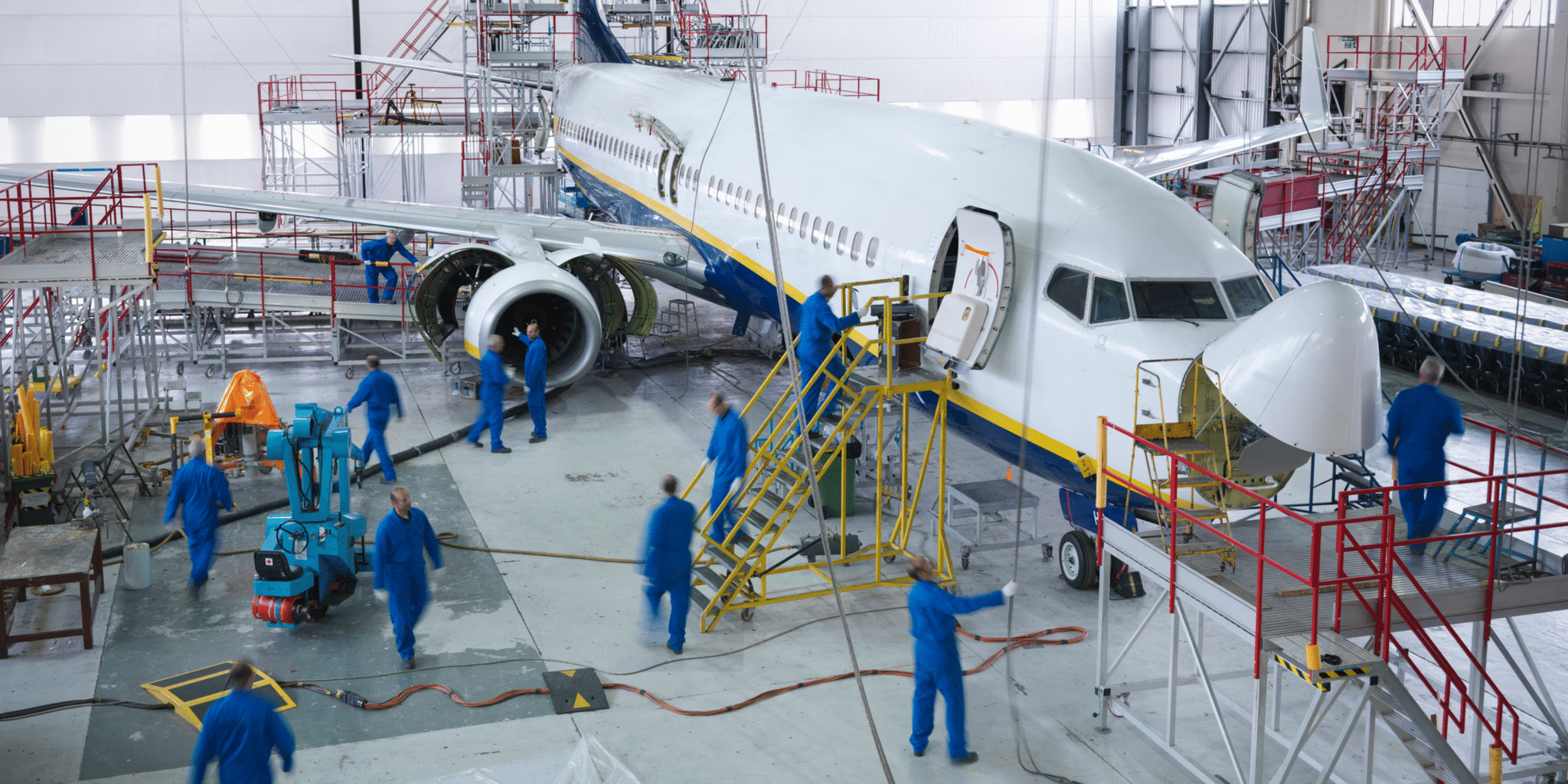
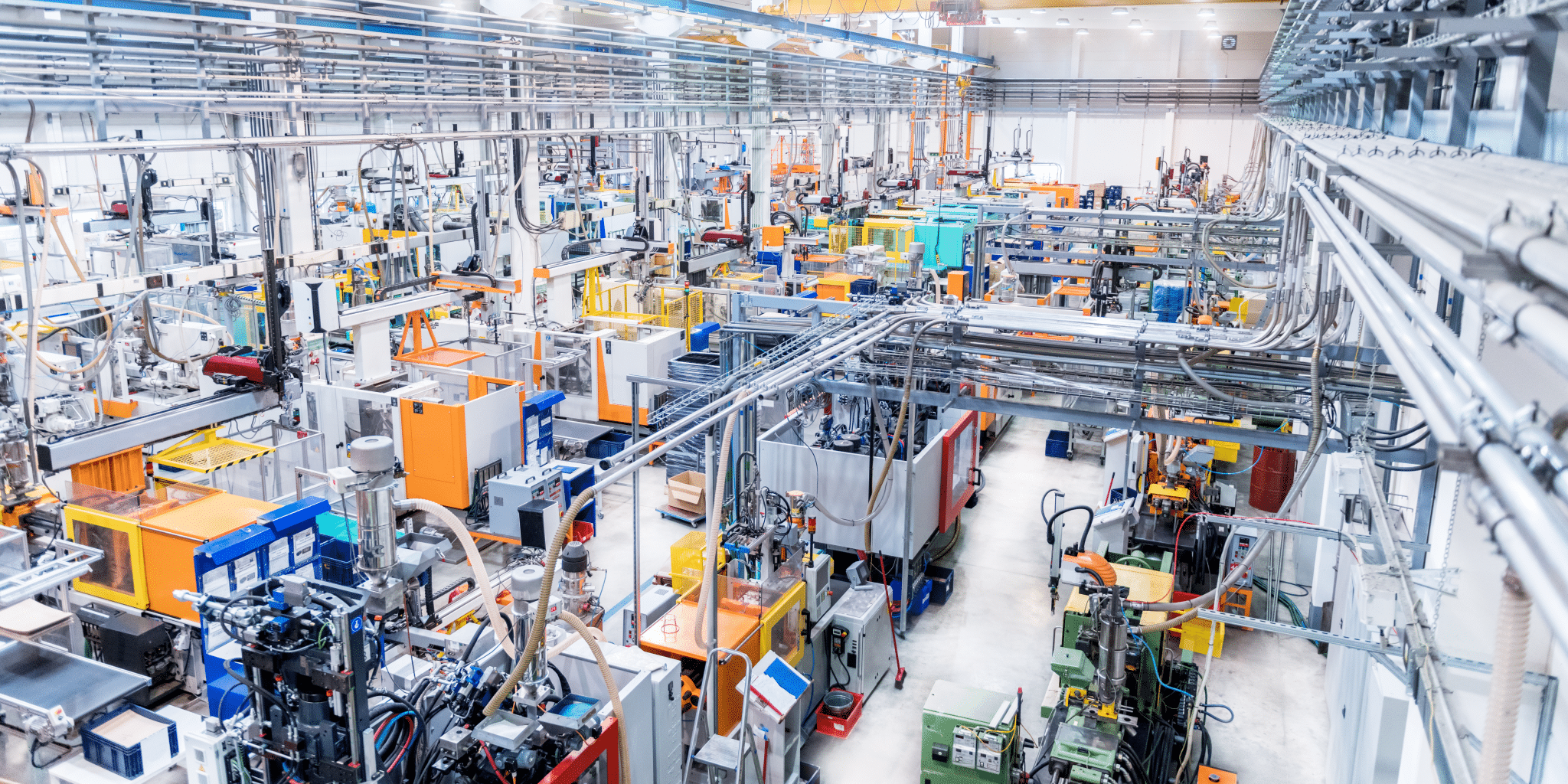
One of the most immediate effects of these tariffs is the renewed focus on U.S.-based manufacturing. Companies that once outsourced production are now looking for ways to bring operations back home to avoid rising import costs. This shift is creating thousands of new jobs, particularly for:
- Engineers designing and optimizing production lines.
- Machinists and technicians maintaining and operating advanced manufacturing equipment.
- Supply chain specialists ensuring materials and components arrive on time.
For professionals in these fields, it’s a moment of opportunity - higher demand means better job security, competitive wages, and faster career growth. Cities with deep manufacturing roots, like Detroit, Pittsburgh, and Cleveland, could see a resurgence in industrial activity, revitalizing local economies.
But there’s a catch. The talent supply isn’t keeping up with demand. The U.S. has faced a skills gap in engineering and manufacturing for years, and these policies are only making the shortage more pressing.
The Skills Gap: Can Training Programs Keep Up?
With an increasing need for highly skilled workers, businesses are under pressure to invest in workforce development. Some of the most effective approaches include:
- Expanding apprenticeship and training programs to build the next generation of talent.
- Partnering with universities and trade schools to equip students with in-demand skills.
- Upskilling current employees in areas like automation, AI-driven manufacturing, and advanced supply chain management.
For workers, this is an opportunity to gain valuable new skills and move into high-paying, future-ready roles. Those who embrace continuous learning and technical training will find themselves in high demand as companies race to fill critical positions.
Higher Wages, Better Benefits, and More Career Opportunities
A tight labor market puts workers in a stronger position. As manufacturers compete for talent, they’re offering higher wages and better perks to attract and retain employees. Some key trends include:
- Increased salaries for engineers, machinists, and supply chain professionals.
- Enhanced benefits like tuition reimbursement, paid training, and retention bonuses.
- Greater job stability and career growth as companies prioritize long-term workforce development.
This shift is also reshaping how young professionals view engineering and manufacturing careers. Long considered less attractive than tech or finance, these industries are now proving they can offer just as much financial security, career mobility, and innovation-driven work.
How Companies Are Changing Their Hiring Strategies
To keep up with demand, companies are rethinking their recruitment strategies. Some of the most effective approaches include:
Expanding Recruitment to Overlooked Talent Pools
Many businesses struggle to fill roles, yet they overlook thousands of skilled professionals who could excel in engineering and manufacturing.
- Military veterans bring expertise in mechanical systems, avionics, and logistics, yet many face barriers due to a lack of civilian certifications.
- Career changers from adjacent industries like construction or IT have problem-solving and technical skills that can be transferred into modern manufacturing.
- Return-to-work professionals, such as those re-entering the workforce after a career break, can bring valuable experience if given the right support.
By focusing on transferable skills and targeted training, businesses can tap into a highly capable but underutilized workforce.
Strengthening Employer Branding to Attract Top Talent
Manufacturers that want to attract top engineering and technical talent must go beyond just offering a job—they need to sell a future. Emphasizing clear career growth opportunities, offering a workplace culture that values flexibility and training, and demonstrating a commitment to long-term development will be key to standing out.
Partnering with Staffing Firms to Secure the Best Talent
As we continue to bring manufacturing back home in the U.S., hiring from an overstretched talent pool will become increasingly time-consuming, costly, and challenging. Finding the right talent will require industry expertise, strategic outreach, and a strong network. That’s where staffing firms come in.
By partnering with a specialized staffing firm, companies can streamline their hiring process, reduce costs, and secure top talent without the hassle. These firms offer:
- Access to Active & Passive Talent – A vast network of skilled professionals, including those not actively applying but open to the right opportunity.
- Faster, More Efficient Hiring – Pre-screened candidates ensure less time searching and more time securing the best fit.
- Cost-Effective & Scalable Solutions – Reduce hiring risks, manage workforce costs, and scale operations as needed.
With demand for talent continuing to grow, partnering with a staffing firm is not just an advantage - it’s a strategic necessity to stay ahead.
What Comes Next?
While Trump’s tariff policies present certain challenges, they also provide a significant opportunity to revitalize U.S. manufacturing and engineering talent.
By investing in people and skills, businesses can take advantage of these changes successfully and create sustainable, long-term growth.
For professionals, this is an exciting time filled with new career opportunities, higher wages, and the chance to be part of a revitalized industrial landscape.
As the effects of these tariffs continue to unfold, companies that take a proactive approach to hiring, training, and workforce development will be best positioned to thrive.
Would you like insights on how to future-proof your workforce? Holt Technical Staffing can help. Get in touch today.